



- Dominant Culture: The land now known as Belize was once the heart of the ancient Maya civilization.
- Flourishing Cities: The Maya established a sophisticated society with remarkable achievements in agriculture, mathematics, astronomy, and architecture. They built impressive city-states connected by trade routes, with major centers like Caracol, Lamanai, and Xunantunich.
- Peak: The Maya culture flourished, reaching its zenith during the Classic Period (c. 250 CE to 1000 CE).
- Decline: For reasons still debated (possibly environmental stress or civil unrest), many southern Maya city-states began to decline after 900 CE. The Spanish arrived later, but never fully subjugated the remaining Maya populations.
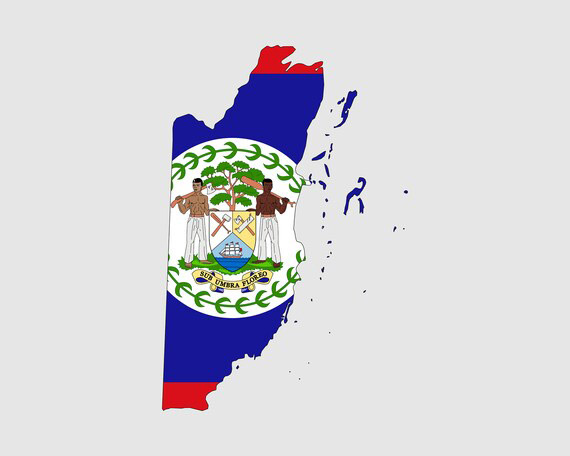
Why Belize:
Legal & Financial Advantages
- Rooted in the English Common Law System, ensuring stability and predictability.
- Independent judiciary as a member of the Commonwealth, reinforcing credibility.
- Strong confidentiality protections: company owners, shareholders, and beneficiaries are not publicly disclosed.
- Corporate and trust records safeguarded by law.
- Tax advantages: no local tax on international income, making Belize attractive for global investors.
Broader Investment Opportunities
- Real Estate Growth: Attractive opportunities in beachfront properties, eco‑friendly developments, and vacation rentals.
- Tourism Expansion: World‑renowned attractions such as the Belize Barrier Reef, the Great Blue Hole, and Maya heritage sites drive demand for resorts and hospitality ventures.
- Lifestyle & Residency Appeal: English‑speaking, culturally diverse, and offering favorable residency programs, Belize is increasingly popular among expatriates, investors and retirees seeking a secure yet relaxed Caribbean lifestyle.
- Land Banking: Affordable undeveloped land provides long‑term appreciation opportunities as infrastructure and tourism expand. Clear property ownership laws make transactions straightforward for foreign investors.
- Early European Presence: Spanish explorers arrived in the 16th century, but due to rugged terrain and Maya resistance, they never established firm control.
- The Baymen: In the mid-17th century, British buccaneers and logwood cutters (the Baymen) began settling the coast, using the area as a base to attack Spanish ships and harvest logwood (used for dye).
- Conflict and Control: Spain maintained a claim to the territory, leading to skirmishes. The decisive event was the Battle of St. George’s Caye in 1798, where the settlers defeated a Spanish attempt to drive them out, solidifying British presence.
- Slavery and Timber: The economy became centered on the timber trade (logwood, then mahogany). To meet labor demands, African slaves were forcibly brought from other British colonies.
- Formal Colonization: The settlement was declared a colony in 1862, formally named British Honduras. It was initially subordinate to Jamaica but became a direct Crown Colony in 1871.
- Ethnic Makeup: During this period, the population diversified with the arrival of enslaved Africans, later joined by refugees from the Caste War of Yucatán (Mestizos) and exiled Garifuna people from the Eastern Caribbean.
- Move to Self-Governance: Economic hardship in the 1930s spurred labor movements and demands for political reform. Universal Adult Suffrage was granted in 1954, and the territory achieved Internal Self-Government in 1964. The territory officially changed its name from British Honduras to Belize in 1973.
- Independence: Belize achieved full independence from the United Kingdom on September 21, 1981, becoming the only English-speaking nation in Central America.
- Political Structure: It adopted a parliamentary constitutional monarchy under the British system, with the Governor-General representing the Monarch as Head of State.
- Guatemala Dispute: A long-standing territorial claim by Guatemala persisted after independence, though Belize maintains full sovereignty with British defense guarantees.
- Modern Development: The nation has worked to develop its economy beyond the traditional reliance on resource extraction, focusing heavily on tourism (especially eco-tourism and reef-related travel), agriculture, and, as you noted, international financial and maritime services.
- Cultural Identity: Modern Belize is celebrated for its rich cultural mosaic, combining Maya, Creole, Garifuna, Mestizo, and other heritages.